


Quick answer
A blinking light on a gate motor is a message from the control board. If the gate refuses to move, an open safety input such as a blocked photocell is the usual cause. A lamp flashing while the gate moves is normal. Patterns differ by brand, so note the pattern, film it and photograph the motor label.
Key takeaways
- A flashing lamp while the gate moves is normal.
- A flashing light with a stuck gate usually means an open safety input.
- Never bypass a photocell or safety edge to make a gate move.
- Patterns differ by brand, so read the motor label and the manual.
- Send a ten second video and a label photo to speed up the repair.
Short answer: a blinking light on a gate motor is a message from the control board, and the pattern points to a family of causes, not one part. A lamp that flashes while the gate moves is normal. A light that flashes while the gate refuses to move usually means an open safety input, such as a blocked photocell. Read the pattern, try the safe checks below, and call a technician if it persists.
Door or gate giving you trouble?
Call +971 50 495 3512 WhatsApp us Get a quote
Open 24/7 · Same-day technician · Free site visit
Is a blinking light on my gate motor a fault?
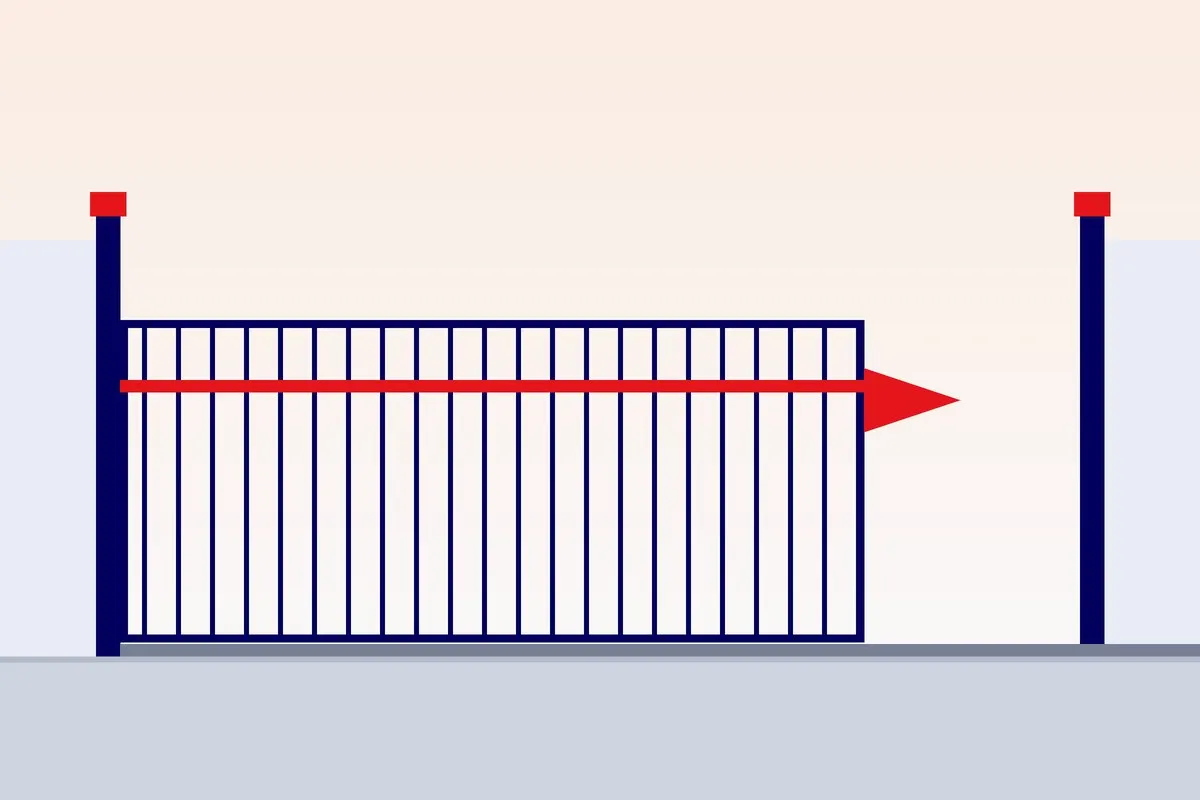
Not always. Most gates have a flashing lamp on top whose job is to warn people that the gate is about to move or is moving. That lamp flashing during travel is normal. The question is whether the gate moves.
The lights that matter are the small LEDs on the control board and the warning lamp when the gate is standing still and not responding. In that case the board is awake and telling you something is wrong. A dead board with no light at all is a different problem and points to power first.
What do the flashing patterns usually point to?
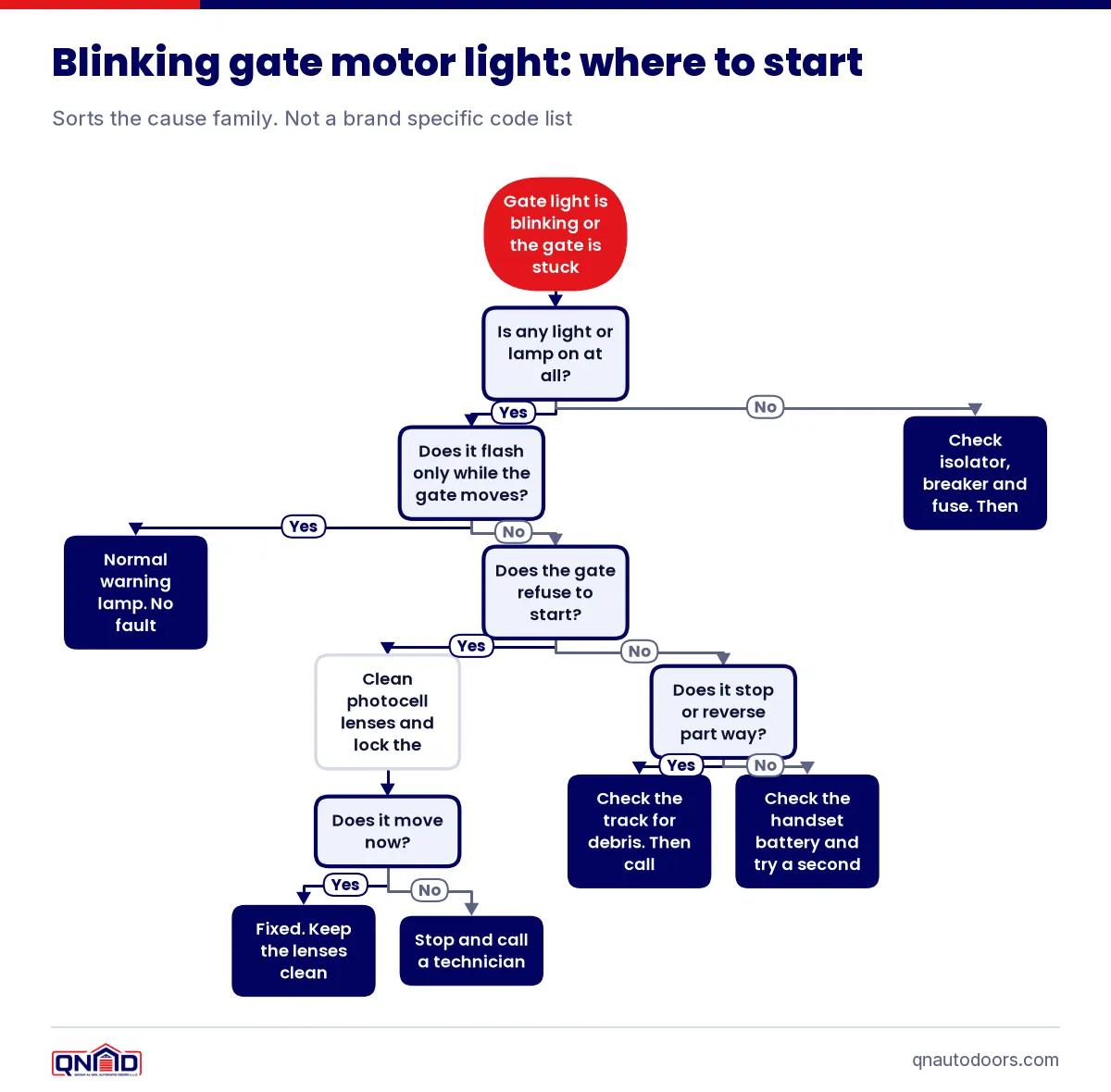
We do not quote exact code meanings from memory, because they differ between brands and even between board versions. What is stable is the family of causes. Most blinking symptoms fall into five families.
| What you see | Usual cause family | First safe check |
|---|---|---|
| No light at all, gate dead | Power supply, isolator, fuse or battery | Check the isolator and the breaker, then wait for power |
| Lamp or LED flashes, gate will not start | Open safety input: photocell, safety edge or stop | Wipe the lenses, clear the beam, check the release is locked |
| Gate starts, stops, reverses part way | Obstacle force, rough track or limit setting | Look for debris, sand or a stiff roller along the track |
| Gate works from the wall button, not the remote | Remote battery, pairing or receiver | Change the handset battery, try a second remote |
| Works in the morning, stops in hot afternoon | Motor or board heat protection | Let it cool in the shade, then try again |
How do I read the pattern before I call anyone?
Write down what you see, because the pattern is the most useful thing you can give a technician. It takes two minutes.
- Note which light flashes: the lamp on top, an LED on the board, or the remote LED.
- Count the flashes in one burst, then the pause, and note whether they are long or short.
- Note what the gate did just before: opening, closing, stopped half way, or did nothing.
- Film ten seconds of the pattern with your phone. Take a photo of the label on the motor showing the brand and model.
Do not open the board cover in rain, dust or wet conditions. The board carries mains voltage, and the motor case is only a weather cover, not a safe workshop.
Why does a gate flash and not move? The safety input check
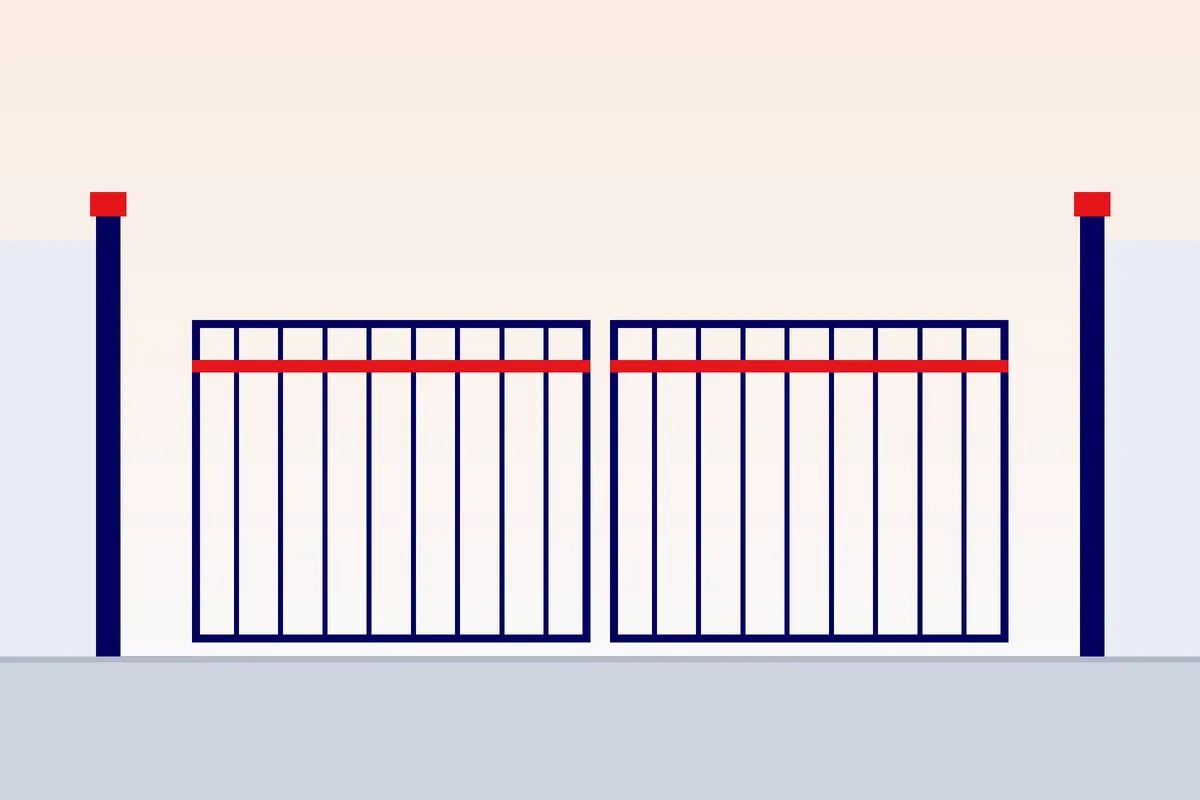
This is the most common reason. The board will not start a move if it thinks something is in the way. Photocells, the safety edge and the stop input all report to the board. If one is open, the board holds the gate and flashes.
The usual causes are physical. A photocell lens covered in dust or sand. A photocell knocked out of line by a car, a ball or a strong wind. A gate pillar that has settled slightly. A spider web across a lens. Our FAQ on a gate lamp that flashes but the gate will not move covers it in more detail, and our guide to a gate that reverses or stops half way carries on from there.
What to do: wipe both lenses with a soft dry cloth, check nothing blocks the beam, check the manual release is fully locked, and try again. If it still flashes, do not bridge or remove the photocell to make the gate move. That removes the protection that stops the gate on a person or a car. A technician finds which input is open by testing each one on the board.
Why does the pattern change after summer heat or rain?
Because the board and motor react to temperature and moisture, and Ajman and Sharjah summers are hard on both. Many gate operators include thermal protection that stops the motor when it is too hot, then allows it to run again after it cools. A gate that works in the morning and stops in a 45 degree afternoon is a typical sign.
Coastal humidity and salt air also affect connectors and board contacts, particularly in the corniche streets of Ajman and the older Sharjah seafront blocks. Rain can seep into a junction box and cause an intermittent fault that looks like a code. We wrote about this in controller battery and motor heat protection in summer, and the FAQ on summer heat and a gate control board gives the short version.
If a gate stops only in the afternoon, mention that to the technician. It saves a visit spent hunting for a fault that is not there at ten in the morning.
Which fixes are safe for an owner, and which are not?
An owner can safely clean lenses, check the release, change a remote battery and switch the gate off and on at the isolator once. Everything inside the motor case, anything with mains voltage, and any change to limit or force settings belongs to a technician.
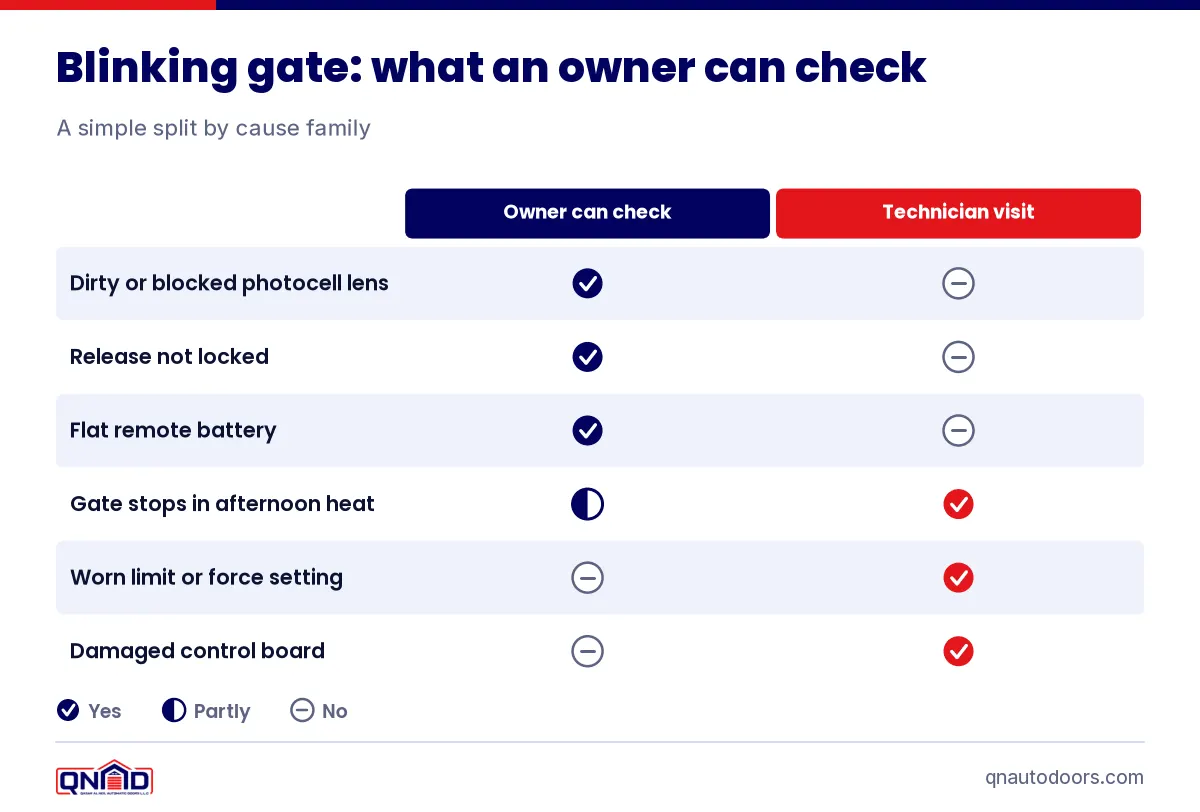
The reset is worth stating clearly. Switch off at the isolator, wait about thirty seconds, switch on, and watch once. If the pattern comes straight back, repeated resets will not help and may hide the pattern from the technician. Stop and call.
How do brand and board type change the answer?
Each maker uses its own pattern. CAME, BFT and FAAC boards all have small status LEDs, and the manual lists what each pattern means for that exact model. The label on the motor tells you which model you have, and a photo of it saves a round of guessing.
When a board is damaged, repair or replacement is the choice. Our answer on whether a faulty BFT control board can be repaired explains how that decision is made, and the page on control panel repair describes the service. For the wider picture of motor brands, see gate motor brands compared.
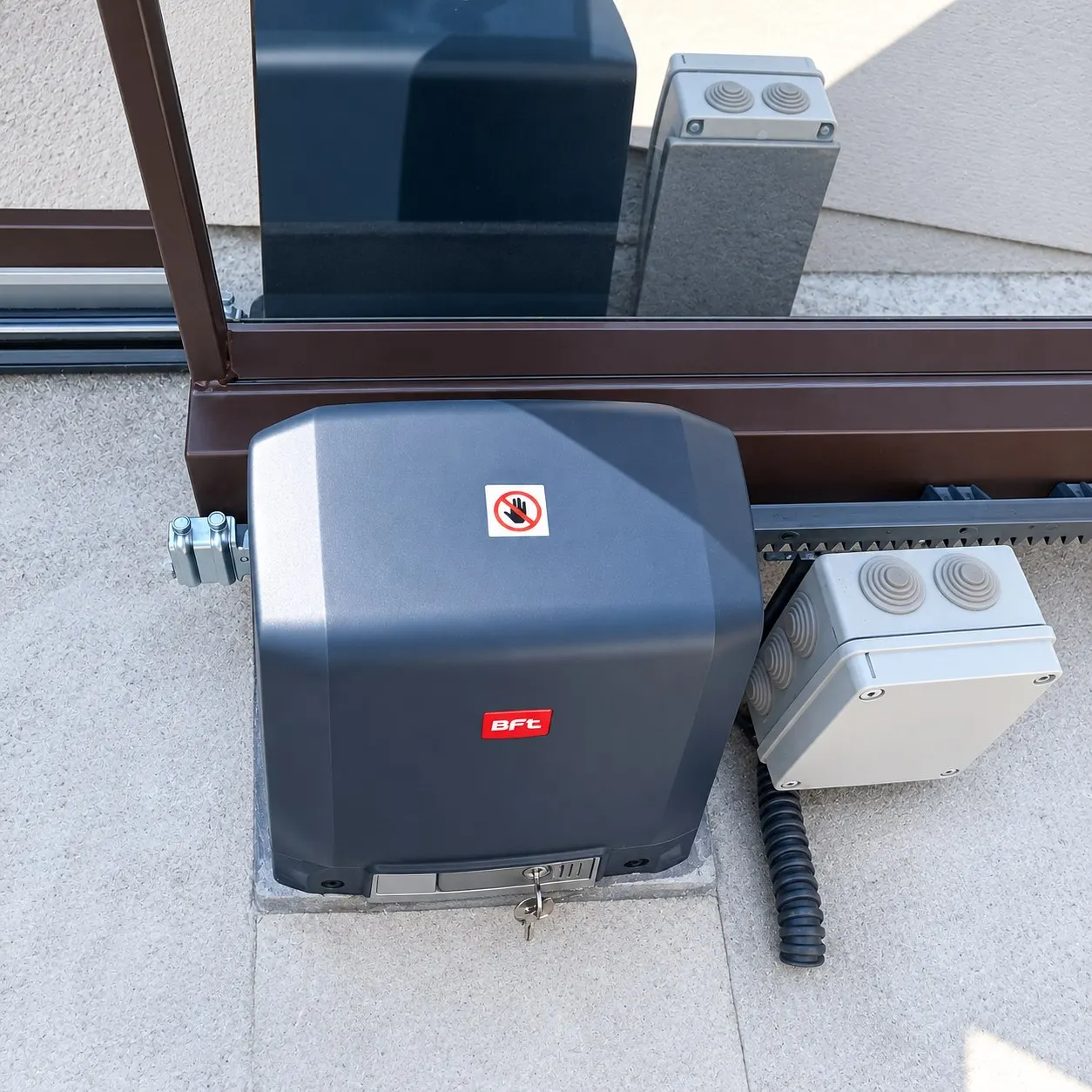
For a look at a typical setup, see the BFT sliding gate motor installation in Jumeirah, Dubai.
Should I keep a log of the pattern?
Yes, a short one on your phone. Note the date, the time, whether it was a hot or cool day, what the gate did and what the light did. After three or four entries a pattern appears: afternoon only, after rain, after a particular car. That pattern points to a cause faster than any single observation, and it goes straight into a service report.
What should I prepare before the visit?
A technician who knows the brand and the pattern before arriving can bring the likely parts. Send the video of the blinking pattern, the motor label photo, a photo of the photocells and a line on when the fault happens (morning, afternoon, after rain). Our photo page takes all of it in one message.
We repair gate motors, sliding gates and swing gates in Ajman and Sharjah, including Al Helio villas and the Sharjah neighbourhoods around Al Majaz. If a gate has a service history with us, mention it. If not, we also repair motors from brands we did not install, and our maintenance contract page explains planned visits.
What to send us
- A ten second video of the blinking pattern.
- A photo of the label on the motor with brand and model.
- A photo of the photocells on both sides of the gate.
- What the gate did last, and the time of day it fails.
Frequently asked questions
Why does the light flash while my gate is opening?
That is the warning lamp doing its job. It tells people and drivers that the gate is moving or about to move. If it stops flashing when the gate stops, nothing is wrong. Worry only when it flashes and the gate stays still.
Can I fix a blinking light by resetting the power?
Once, yes. Switch off at the isolator, wait about thirty seconds and switch on. If the pattern returns straight away, the cause is still there. Repeated resets will not fix it and can make the fault harder to read, so stop after one try.
Is it safe to bypass a photocell so the gate moves?
No. The photocell is what stops a closing gate on a child, a pet or a car. Bridging it gets the gate moving but removes that protection. Ask a technician to find why the input is open and fix that cause.
Does the same blink pattern mean the same thing on every brand?
No. Each maker, and sometimes each board version, has its own pattern list. The motor label shows the model, and the manual for that model lists the patterns. Send us a photo of the label and a video of the pattern, and we can narrow it down.
Why does my gate stop only in the afternoon?
Heat is a common reason. Many operators stop the motor when it gets too hot and allow it to run again after it cools. Direct sun on the motor case in a UAE summer afternoon can reach that point. Shading the unit and a service often help.
Can you diagnose the blinking pattern from a video?
Often enough to narrow it to a cause family and decide which parts to bring. We cannot promise a full diagnosis without seeing the gate, because the physical checks, such as the track, the photocell alignment and the wiring, need a visit.
Gate blinking and not moving? Call us on +971 50 495 3512, request a quote, send a photo or video or book a site visit. We cover Ajman and Sharjah, and book Dubai and Abu Dhabi jobs by appointment.
Need this done on your property?
Tell us the opening, the fault or the equipment. We reply with a free site visit and a written quote.
Call +971 50 495 3512 WhatsApp us Get a quote
Open 24/7 · Same-day technician · Free site visit
#troubleshooting#sliding-gates#swing-gates#ajman#gate-safety#sharjah#repair-guide#gate-motors
Related products
-
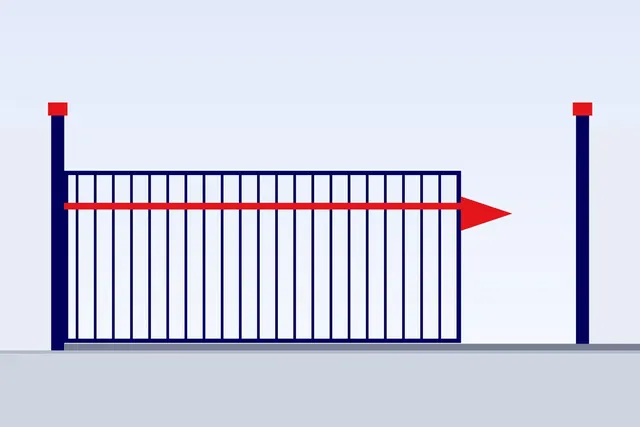
Automatic Sliding Gates
Made-to-measure automatic sliding gates for villas, compounds and industrial yards, with a quiet motor, photocells and remote, keypad, intercom or phone control.
View details -
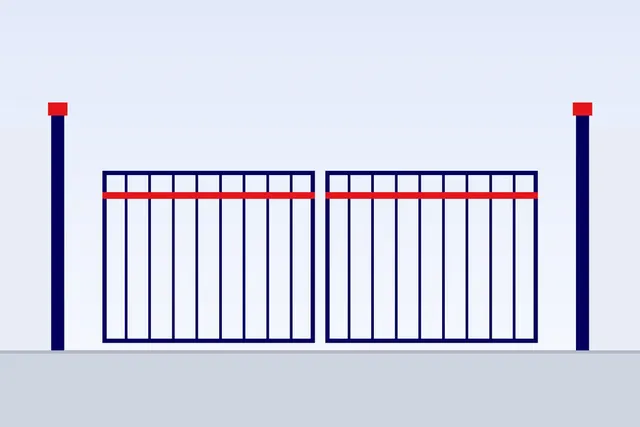
Automatic Swing Gates
Automatic swing gates for villas, farms and compounds, using arm, ram or underground operators with safety devices, and able to automate an existing manual gate.
View details -

Gate Motors
Sliding, swing, underground and ram gate motors sized to your gate, supplied, fitted, replaced and repaired after a free site visit anywhere in the UAE.
View details