


/
Gate maintenance in Ajman works best by season. Clean tracks, rack and sensors before summer, protect the motor and board from heat and power dips, then check hinges and fixings for salt afterwards. Owners can do light checks; force limits and safety tests belong to a technician.
- Heat, sand and salt each attack different parts of a gate.
- Three short routines a year, timed to the climate, beat one long visit.
- A 10 minute monthly walk-around catches most small faults.
- Never grease a dusty track; clean it first.
- If the gate stops reversing on an obstruction, stop using it and call a technician.
- Keep a dated log of symptoms and open times.
Short answer: In Ajman, maintain a gate by season, not once a year. Clean tracks, sensors and rack before the summer, protect the motor and board from heat and power dips in July and August, and check hinges, fixings and coatings for salt after the humid months. Owners can do light checks. Force limits and safety tests belong to a technician.
Key takeaways
- Heat, sand and salt each attack a different part: electronics and grease, tracks and rack, hinges and fixings.
- Three short routines a year, timed to the climate, work better than one long visit.
- A ten minute walk-around once a month catches most small faults before they stop the gate.
- Never grease a dusty track. Clean it first.
- If the gate no longer stops when it meets an obstacle, stop using it until a technician has checked it.
- Keep a log. Dates and symptoms make intermittent faults far easier to find.
What do heat, dust and sea air actually do to an Ajman gate?
Each one does a different job, so it helps to separate them.
Heat. Afternoon temperatures reach 45 to 50 C, and a dark metal gate in direct sun is hotter than the air. A motor in a sealed housing, a control board in a box on a sun-facing pillar and a battery inside it all run hot. Heat thins grease so it runs out of gears and bearings. It ages capacitors faster, makes plastic covers and cable sheaths brittle, and shortens battery life. A motor that cuts out in the afternoon and works at night is a heat problem until proven otherwise.
Dust and sand. Fine sand settles in the track of a sliding gate, in the teeth of the rack and around the lenses of photocells. Oil and sand make a grinding paste that wears wheels and pinion. A gate that has slowed over weeks is often asking for a clean, not a new motor.
Sea air. Along the Ajman Corniche, in Al Zorah and in other coastal districts, humid salty air gets into hinges, bolts, rack fixings and any place the paint is scratched. Rust starts at the scratch and the weld. Inside the control box, moisture on a board causes faults that come and go with the weather.
Field note: a gate that works every morning and stalls every afternoon in summer is rarely a broken motor. Look at the shade over the control box, the state of the battery and the force setting before anyone orders a part.
Which season needs which maintenance on a sliding or swing gate?
The UAE year has a hot, humid stretch and a milder one, with dust and storm days in between. Plan around that, not around the date of the last visit. Check with your own technician if your gate has special parts.
| Season | Main risk | What to do | Who |
|---|---|---|---|
| Before summer (April to May) | Heat on electronics and grease | Clean tracks and rack, check wheels and hinges, test battery and force, check shade and ventilation on the control box | Owner for cleaning, technician for tests |
| Peak summer (June to September) | Heat, humidity, power dips, storms | Monthly walk-around, wipe sensors, avoid hosing the motor, check the manual release works | Owner |
| After summer (October) | Salt and rust, dust build-up | Inspect fixings and coatings, treat scratches, check remote range, review the log | Owner and technician |
| Winter (November to February) | Dew, fog, cooler mornings | Check for moisture in the control box, repaint and repair what summer exposed | Owner or contractor |
After any sandstorm, wipe the sensors and clear the track before you use the gate again. After heavy rain, look inside the control box for water and check the gate runs smoothly.
What is a 10 minute walk-around I can do myself each month?
Pick a fixed day, such as the first Saturday. Switch the gate to manual or isolate the power before you reach near moving parts. Then:
- Watch one full open and close from a safe position. Note any jerk, drag, scrape or hesitation.
- Walk the track of a sliding gate. Remove sand, leaves and stones with a brush, not with water.
- Look at the rack, the toothed bar the pinion drives. Check for missing fixings or a section that has lifted.
- Wipe each photocell lens with a soft damp cloth and check that nothing blocks the beam: plants, a hose, a bin.
- Check the hinges and pins of a swing gate for rust, play or a leaf that has dropped.
- Look at the motor housing and control box. Closed, dry, no insects, no water marks.
- Test the remote from the usual distance. Change the battery if range has shrunk.
- Release the gate by hand with the manual release, then re-engage it. Make sure you know where the key is.
- Press the pedestrian or stop button, if fitted, and check that it stops the gate.
- Write the date and anything unusual in the log.
Never force a stuck gate by hand while the motor is engaged, and never reach into the track while the gate can move.
What does a symptom mean and what should I do about it?
| Symptom | Likely cause | Action |
|---|---|---|
| Gate slows over weeks | Sand in track, dry wheels or worn rack | Clean the track, then ask a technician to check wheels and rack. See the FAQ on a sliding gate running slower |
| Motor cuts out in the afternoon | Heat, low voltage or a force setting too tight | Shade and ventilate the box, then book a service. The hot weather behaviour answer explains more |
| Gate stops halfway | Drag in the track, obstruction detection tripping, a dirty photocell | Clean the sensors and track. If it repeats, call a technician. See gate dragging or stopping halfway |
| Motor hums, gate does not move | Blocked gate, failed capacitor, damaged gearbox | Switch off. Do not keep pressing the remote. Call a technician |
| Remote range drops | Weak battery, aerial blocked, interference | Change the battery, check the aerial position, then call if it stays short |
| One leaf lags on a swing gate | Hinge wear, drooping leaf, arm adjustment | Do not adjust the arm yourself. Book a visit |
| Rust at hinge, track or base plate | Salt air and scratched paint | Treat early. Deep rust at a fixing is a safety issue, so book a visit |
| Gate no longer reverses on an obstruction | Force limit or sensor fault | Stop using the gate. Call a technician today |
When must I stop and call a technician?
These are the lines you do not cross yourself:
- The gate does not stop or reverse when it hits something or when the photocell beam is blocked.
- A leaf or panel has dropped, or a roller or hinge has sheared.
- You smell burning, or see water inside the control box.
- The manual release will not disengage the motor.
- Anyone has been pinched, even lightly.
Force limits, obstruction response and safety edges are measured with tools and are hard to judge by eye. Read the gate safety guide for what those devices do, and our sliding gate motor fault guide for the safe checks first.
How does a sliding gate maintenance routine differ from a swing gate routine?
The two gate types wear in different places. A sliding gate lives on its track, wheels and rack, which collect sand. A swing gate lives on hinges and an operator arm or underground box, where salt and water collect. Our automatic sliding gates and automatic swing gates pages describe the two systems.
| Part | Sliding gate | Swing gate |
|---|---|---|
| Where sand collects | Track, wheels, rack teeth | Hinge base, floor stops |
| Where salt bites | Rack fixings, base plate, end stops | Hinges, pins, arm joints, underground box |
| Typical early sign | Slow travel, scraping, gate stops short | One leaf late, creak, sag, gap at the post |
| What to leave to a technician | Rack alignment, pinion mesh, force limit | Arm adjustment, underground box inspection |
For the rack, see the FAQ on the tooth rack and when it needs replacing. If the gate has moved a lot in summer heat, check whether the leaf expanded against a post or stop.
How do I protect the motor and control board from heat and power dips?
A few simple habits help. Keep the control box closed and its seal intact. Do not point sprinklers or a pressure washer at the motor housing or the box. Shade the box where you can, without blocking its ventilation. Trim plants so they do not touch sensors, tracks or the motor. Insects love warm boxes, so look for nests.
Summer storms and sudden power dips can trip a controller or scramble settings. Know where the isolator is, how to reset the controller as the installer set it up, and where the manual release key lives. If your gate has a battery backup, it ages in the heat, so ask the technician to test it before summer. Read the answer on resetting a sliding gate after a power cut, and our gate motors page covers the operators.
Worked example: one sliding gate over one year (illustration)
This is an illustration, not a QNAD job. Take a villa sliding gate closing a 5.0 m opening, with a leaf weighing about 300 kg that runs on a steel track, driven by a rack along the leaf. The motor sits at the pillar on the west side. The owner opens it about 12 times a day.
- April. The owner brushes the track and rack, wipes the photocells and notes that the gate takes about 22 seconds to open. A technician tests force, checks the wheels and the battery, and sets a baseline.
- July. At the monthly walk-around, the open time is 25 seconds. The owner finds sand in the track after a dusty week and cleans it. Time returns to 22 seconds.
- August. The motor cuts out at about 3 pm twice. The owner adds shade over the box and logs the dates. The technician finds a tight force setting and a tired battery.
- October. The owner finds rust beginning at one rack fixing. It is treated before it spreads.
The numbers tell the story: 12 cycles a day is about 4,400 cycles a year, a baseline travel time lets you notice a slowdown, and the log gives the technician a pattern instead of a guess.
How do I score my own gate maintenance?
Score one point for each yes. This is a self-check, not a safety certificate.
- I clean the track or hinge area at least monthly.
- I wipe the photocells monthly.
- I know where the manual release key is and have tested it this year.
- The control box is closed, shaded and dry.
- I have a log with dates.
- A technician has tested the force and safety devices in the last 12 months.
- The remote battery is changed on a schedule.
- No rust is spreading at a fixing, hinge or track.
Seven or eight: you are in good shape. Four to six: book a visit before summer. Below four: book one now, and do not rely on the gate for children or visitors until it has been checked.
What do people get wrong about gate maintenance?
| Myth | Fact | Do this instead |
|---|---|---|
| Spray oil on everything | Oil holds sand and forms paste on tracks and rack | Clean first, then use a suitable lubricant on the right parts |
| Hose the gate to clean it | Water gets into the motor, board and connections | Brush and damp cloth, away from the box |
| A noisy gate is just old | Noise often means wear or misalignment | Have it checked before it fails |
| Annual service is only for old gates | New gates settle in and need checks too | Book a first check within the first year |
| Raise the force if it stops | Higher force can injure people and damage the gate | Find what is causing the stop |
What should I photograph if I want a technician's view before a visit?
Use send a photo. Helpful shots: the gate fully closed and fully open, the track or hinge close up, the rack and pinion, the motor housing with the cover off only if you can do so safely, the control box from outside, and any rust or crack. Add a short video of the gate moving, with the sound on.
Who looks after the gate in a villa community or a rented property?
If you rent, the landlord or the community management may own the gate and arrange servicing. Ask. If the gate is shared, as in a compound or a row of villas in Al Nuaimiya, agree who holds the key, the remote codes and the service records. Check with your community management before changing the colour, type or position of a gate. Keep the installer's handover notes and service reports with the log. They help any technician work faster. A recent project shows what a typical motor fit looks like: sliding gate motor installation in Al Yasmeen, and we also carry out gate barrier maintenance in Sajja, Sharjah.
Glossary: gate terms in English and Arabic
| English term | Arabic term used in the UAE | Meaning |
|---|---|---|
| Gate motor | محرك بوابة | The operator that moves the gate |
| Sliding gate | بوابة سحاب | Gate that moves sideways along the wall |
| Swing gate | بوابة مفصلية | Gate that opens on hinges |
| Photocell | خلية ضوئية | Sensor that detects an obstacle in the path |
| Limit switch | مفتاح حد النهاية | Stops the gate at fully open or closed |
| Rack | الجريدة المسننة | Toothed bar the pinion drives on a sliding gate |
| Control board | لوحة التحكم | The electronics that run the motor |
| Remote control | جهاز التحكم عن بعد | Handset that opens the gate |
| Annual maintenance contract | عقد صيانة سنوي | Planned visits to inspect and service |
Frequently asked questions
How often should an automatic gate be serviced in Ajman?
A yearly professional service is a common starting point. In our climate, a visit before summer makes sense, and a busy or exposed gate may need a second check. The service frequency answer gives more.
Does dust and humidity really affect a gate in the UAE?
Yes. Sand builds up in tracks and rack and wears wheels. Humid salty air corrodes hinges and fixings, and moisture can reach the board. See dust and humidity on automatic systems for the short version.
Can I lubricate my gate myself?
Light lubrication of hinges is usually fine with a suitable product. Do not oil a dusty track, and leave the motor gearbox to a technician. Clean the track and rack before lubricating anything.
Why does my gate work in the morning but fail in the afternoon?
Heat is the usual suspect: a hot motor, a hot board, a weak battery or a force setting too tight. Shade the control box and log the times. A technician can test the motor and board under load.
My gate is slow in summer. Is the motor failing?
Not necessarily. Heat on grease, sand in the track and a drifting setting can all slow a gate. Clean first. See a gate that is slow in summer. If it stays slow, book a check.
Do swing gates need the same maintenance as sliding gates?
The principle is the same, the points differ. Swing gates need hinge, pin and arm checks, and a look at underground boxes where fitted. Sliding gates need the track, wheels and rack.
What should I do after a sandstorm or heavy rain?
Wipe the sensors, clear the track or hinge area, check the control box for water and run the gate once, watching for drag. If the box was wet, switch off and call a technician before using it again.
Is a maintenance contract worth it for a villa gate?
It gives you scheduled visits and a written record. See the maintenance contract page. Ask what each visit covers.
Do you service gates you did not install?
Yes, a gate motor from another supplier can often be serviced. Send photos of the motor label and control board so we can check parts before the visit.
Next step
Call +971 50 495 3512 to book a service, ask for a quote or arrange a site visit. For faults, start from our sliding gate repair page. We cover Ajman and Sharjah, and book Dubai and Abu Dhabi jobs by appointment.
#maintenance#villas#sliding-gates#swing-gates#checklist#ajman#gate-maintenance
Related products
-
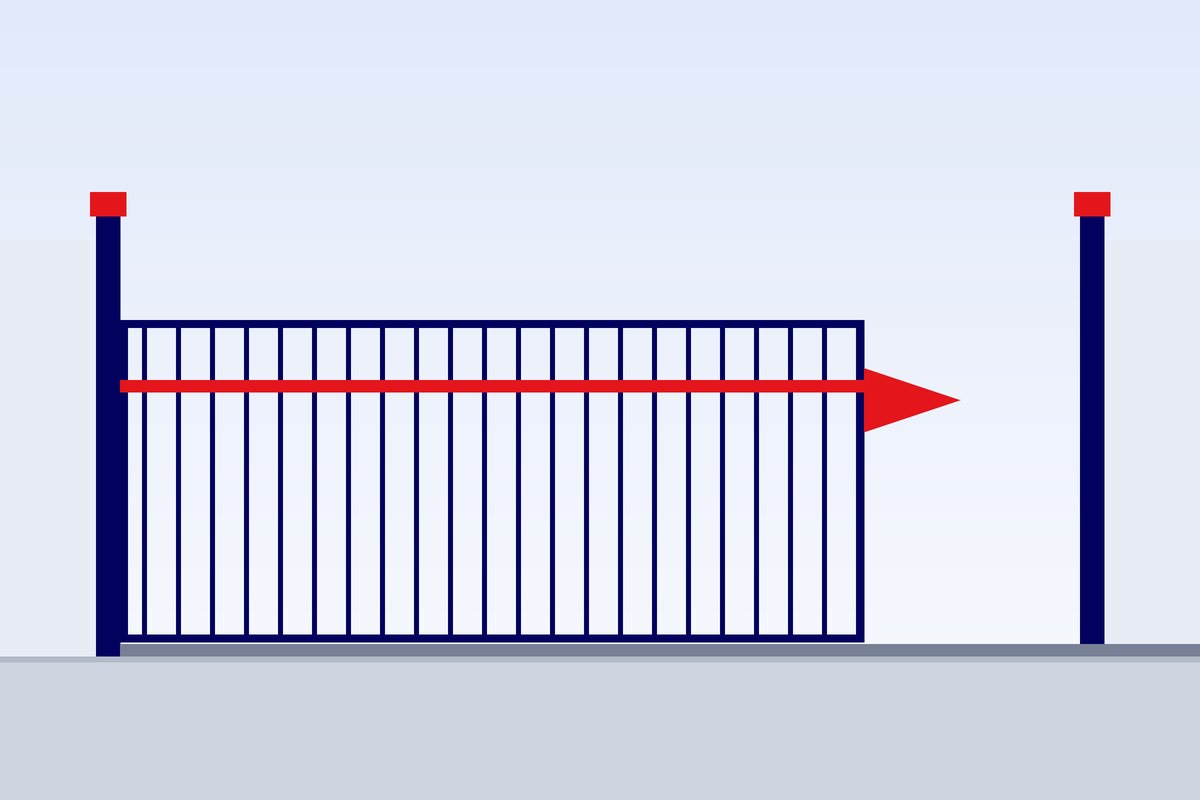
Automatic Sliding Gates
Made-to-measure automatic sliding gates for villas, compounds and industrial yards, with a quiet motor, photocells and remote, keypad, intercom or phone control.
View details -
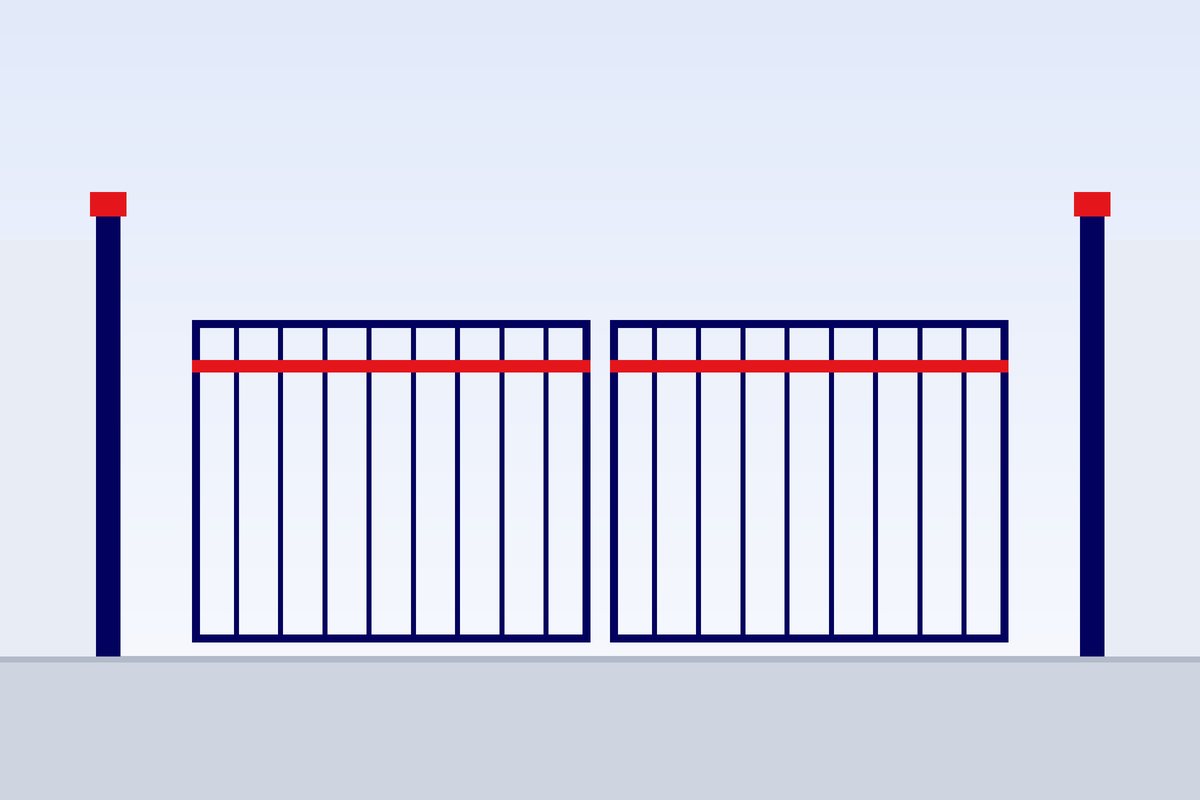
Automatic Swing Gates
Automatic swing gates for villas, farms and compounds, using arm, ram or underground operators with safety devices, and able to automate an existing manual gate.
View details -

Gate Motors
Sliding, swing, underground and ram gate motors sized to your gate, supplied, fitted, replaced and repaired after a free site visit anywhere in the UAE.
View details

